In an era where communication defines competitive edge, modern business phone services are transforming how companies connect, collaborate, and thrive. As traditional landlines give way to sophisticated VoIP platforms, organizations gain cost-effective, scalable solutions packed with advanced features like auto-attendants, call routing, and seamless integration across devices. But is reliable connectivity enough in today’s digital landscape? The evolution from analog to cloud-based systems not only enhances professionalism and security but also supports remote work and global expansion. As technology advances with AI and machine learning, future systems promise smarter, more personalized interactions—yet security and adaptability remain paramount. This ongoing revolution raises a compelling question: will these innovations enable businesses to foster stronger customer trust and operational resilience? Embracing these changes is no longer optional but essential for those seeking long-term growth in an increasingly connected world.
Quick Navigation
Upgrade Your Business Communication with FiberConX’s VoIP Solutions in Canada
Enhance your company’s connectivity with FiberConX Communications, the leading provider of sip phone services in Canada. Our VoIP & IP business phone services come equipped with advanced features like voicemail, IVR, Ring Groups, and voicemail-to-mail, ensuring seamless communication and improved customer experience. Whether you’re a small business or a large enterprise, FiberConX offers reliable, scalable solutions to meet your needs. Reach out to our team at [email protected] or call 1.416.945.9210 to learn more about how our sip phone services can transform your communication infrastructure.
Transforming Business Connections: The Evolution of Communication Systems
Business communication systems form the backbone of how organizations connect, collaborate, and serve their customers today. Over the years, these systems have evolved dramatically, shifting from simple landline phones to sophisticated, internet-based platforms that support remote work and global operations. This transformation has been driven by rapid technological advances, making communication more flexible, scalable, and cost-effective.
The move away from traditional landlines marked a significant milestone. For decades, landline phones provided reliable voice communication, but their rigidity limited growth and adaptability. As internet technology improved, VoIP—Voice over Internet Protocol—emerged as a game-changer. By transmitting voice over the internet, VoIP drastically reduced costs and unlocked new features like virtual extensions, call forwarding, and seamless integration with other digital tools. These innovations made business communication more dynamic and aligned with modern needs.
Today’s systems go beyond just voice calls. They incorporate a broad range of functionalities that enhance professionalism and customer experience. Automated greetings, call routing, and auto-attendant systems help companies present a polished image and ensure callers are directed efficiently. These features reduce wait times and create a seamless, professional interaction that builds trust and loyalty.
Scalability is another key benefit. As organizations grow, adding new users or locations becomes straightforward and inexpensive—especially with cloud-based platforms. Management through online dashboards allows quick adjustments without hardware upgrades, supporting rapid expansion. Cloud solutions also enhance resilience; if local hardware fails, calls can be rerouted seamlessly, maintaining continuous operations with minimal disruption.
Security and compliance have become central concerns. Modern systems feature encryption protocols, secure login processes, and call recording options to safeguard sensitive information. These tools help organizations meet industry regulations and protect customer data, reinforcing trust and credibility.
The shift from landlines to internet-based communication reflects a broader move toward more integrated, flexible environments. Today’s systems support instant messaging, video conferencing, and mobile connectivity, enabling teams to stay connected across distances effortlessly. This interconnectedness is vital in a digital-first world where quick, reliable communication often determines competitive advantage.
In essence, the evolution of business communication systems mirrors the changing landscape of work itself. What started as basic voice lines has become a comprehensive ecosystem designed to support growth, security, and seamless collaboration. Staying ahead means embracing these technological advances—transforming how companies connect, compete, and succeed in an increasingly connected world.
From Landlines to VoIP: Tracing the Historical Roots of Business Communication
The story of business communication is a story of constant innovation driven by both organizational needs and technological breakthroughs. For decades, landline phones were the primary means for companies to connect with clients and colleagues. Built on analog technology and copper wires, these systems offered reliable voice quality but lacked flexibility and scalability, making them less suitable for growing businesses or those operating across multiple locations.
As companies expanded, the limitations of traditional landlines became more apparent. The industry responded with digital switching technology in the late 20th century, which improved call management and quality. However, the real revolution came with the advent of Voice over Internet Protocol (VoIP) in the early 2000s. VoIP transformed business communication by routing voice calls over the internet, dramatically reducing costs and introducing features like virtual extensions, call forwarding, and easy integration with other digital tools. This shift made communication more adaptable and integrated into daily workflows.
The rise of broadband connectivity fueled this transition, enabling reliable, high-speed internet that supported cloud-based telephony solutions. These platforms offered not just cost savings but also scalability—adding users or features became as simple as adjusting settings online. Cloud systems also provided resilience; if local hardware experienced issues, calls could be rerouted automatically, ensuring uninterrupted service and minimal downtime.
In recent years, the expansion of cloud computing has accelerated this evolution. Cloud-based phone systems are now the standard for many organizations, offering centralized management and remote access from anywhere. This shift supports remote and hybrid work models, allowing teams to stay connected regardless of location. The ability to deploy new features quickly and adapt swiftly to changing needs reflects a broader move toward agility and digital transformation.
Throughout this journey, technological pioneers have played vital roles. From Bell’s invention of the telephone to digital switches that enhanced call quality, each milestone built on the last. The introduction of VoIP in the early 2000s marked a fundamental leap, enabling organizations to operate more efficiently and reach wider audiences. Today, cloud-based systems and AI-driven features continue to shape how businesses stay connected, making communication more reliable, flexible, and aligned with the demands of the digital age.

Building Blocks of Modern Business Phones: Core Concepts and Technologies
Modern business phone services are built on a foundation of core ideas that keep communication smooth, adaptable, and reliable. At the heart is Voice over Internet Protocol (VoIP), which allows voice calls to travel over the internet instead of traditional phone lines. This shift not only cuts costs but also unlocks features like call forwarding, virtual extensions, and seamless integration with other digital tools. These capabilities make managing communication more efficient and professional, whether for customer interactions or internal coordination.
Understanding key components helps clarify how these systems work. Auto-attendants serve as virtual receptionists, greeting callers and directing them to the appropriate departments without human intervention. Call routing enables organizations to set rules for directing incoming calls based on factors like time of day or caller input. Cloud telephony hosts phone systems on remote servers, offering easy management, scalability, and remote access. These building blocks form the backbone of modern communication platforms, designed to deliver seamless, consistent experiences across channels.
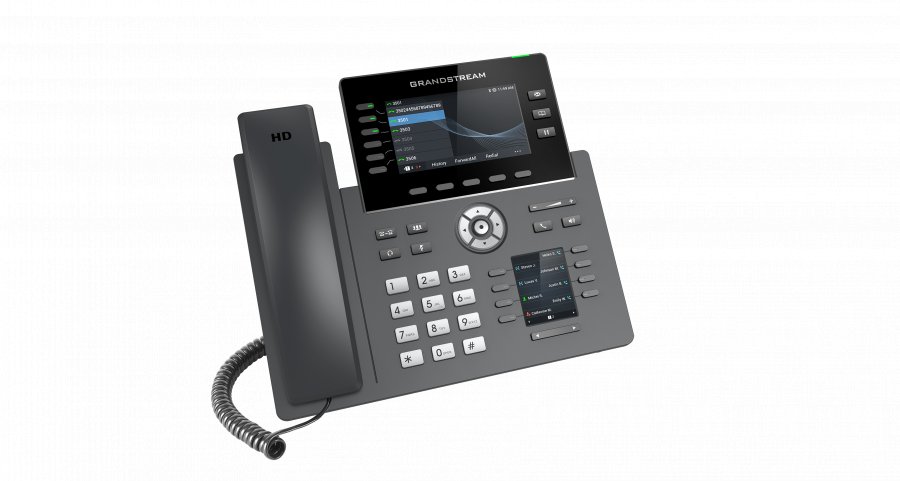
Hardware elements such as IP phones and gateways connect existing analog systems to digital networks. IP phones resemble traditional phones but connect directly to the internet, supporting high-definition audio and video calls. Gateways act as bridges, converting analog signals into digital data so older equipment remains useful. These hardware components work alongside sophisticated software that manages call handling, analytics, and integration with customer relationship management (CRM) systems. Together, they create a unified environment capable of supporting a dynamic, multi-channel communication landscape.
Security remains a critical focus in these systems. Encryption protocols protect voice and data transmissions from eavesdropping, while secure login procedures prevent unauthorized access. Call recording features help organizations meet regulatory requirements and monitor service quality. Prioritizing security and compliance not only safeguards sensitive information but also builds trust with customers and partners, reinforcing a company’s reputation.
Scalability and integration are built into modern systems. As a business grows, adding new users or features is straightforward through online dashboards, avoiding costly hardware upgrades. Cloud-based solutions enable quick deployment of updates and new capabilities, supporting rapid adaptation to changing needs. Resilience is also a key advantage—if local hardware fails, calls can be automatically rerouted to mobile devices or backup lines, ensuring continuous operation with minimal disruption. This flexible, secure infrastructure empowers organizations to stay agile and competitive in a fast-evolving digital landscape.
For organizations looking to upgrade their hardware, choosing the right devices is essential. A good option to consider is a sip phone, which offers high-quality audio and seamless integration with your existing VoIP system. Investing in reliable hardware like SIP phones can significantly enhance call clarity and user experience, supporting your business’s ongoing communication needs.
Real-World Impact: How Advanced Phone Systems Enhance Business Operations
Modern business phone services translate technical features into tangible benefits that drive everyday operations. For customer service teams, tools like call routing and auto-attendants ensure that callers are swiftly connected to the right department, reducing wait times and boosting satisfaction. This streamlined approach creates a professional image, making interactions smoother and more efficient, which helps build trust and loyalty with clients.
Within organizations, features such as video conferencing and mobile integration keep teams connected no matter where they are. As remote work becomes standard, these tools support collaboration across different locations and time zones. Employees can join meetings, share information, and communicate seamlessly from their laptops or smartphones, maintaining productivity without the constraints of physical office spaces.
Call analytics and CRM integrations turn communication data into actionable insights. Managers can monitor call quality, analyze customer interactions, and identify patterns that improve service delivery. Meanwhile, linking communication platforms with customer management systems allows for more personalized, relevant conversations, enhancing the overall customer experience and fostering stronger relationships.
Beyond internal efficiencies, these systems significantly impact how customers perceive a brand. A reliable, professional communication setup signals responsiveness and competence. Features like automated greetings and smart call routing ensure inquiries are handled promptly, reinforcing a company’s reputation for dependability. This consistent, high-quality experience differentiates businesses in competitive markets and encourages repeat engagement.
Adopting modern phone services also supports scalable growth and operational resilience. Adding new users or features is straightforward through online dashboards, avoiding costly hardware upgrades. Cloud-based systems enable quick deployment of updates and enable calls to be rerouted automatically if local infrastructure encounters issues. This flexibility ensures uninterrupted communication, even during unexpected disruptions.
Furthermore, security features such as encryption and call recording safeguard sensitive information, helping organizations meet industry regulations and build customer trust. Protecting data and conversations isn’t just a compliance issue—it’s essential for maintaining credibility and confidence in a digital-first world.
In today’s fast-paced, connected environment, leveraging these advanced tools isn’t optional; it’s a strategic necessity. They enhance operational efficiency, elevate customer interactions, and position businesses to adapt swiftly to changing market demands. By integrating reliable, flexible, and secure communication solutions, companies can forge stronger relationships, improve resilience, and stay ahead in a competitive landscape.

Future Frontiers: Emerging Trends Shaping Business Communication Ahead
Looking ahead, the landscape of business communication will continue to evolve rapidly, driven by technological innovation and changing workplace dynamics. Artificial intelligence and machine learning are poised to deepen integration, offering smarter call analytics, personalized customer experiences, and predictive insights that enable companies to respond proactively. These advancements will help organizations better understand customer needs in real time, allowing for more relevant and tailored interactions that foster stronger relationships.
As remote and hybrid work models become the norm, seamless connectivity across devices and locations will be essential. Future communication systems will prioritize flexibility and quick deployment, ensuring teams can adapt swiftly to market shifts and organizational growth. Cloud-based platforms will remain central, enabling businesses to expand their capabilities without the constraints of traditional hardware and supporting a truly mobile workforce.
Security will stay at the forefront of innovation. With digital communication expanding, encryption protocols, threat detection, and data protection will become even more sophisticated. Companies will need to continually update security measures to defend against evolving cyber threats, embedding resilience into their infrastructure rather than treating security as an afterthought. Protecting conversations and sensitive data will be crucial for maintaining trust and complying with regulations.
Automation and AI-driven tools like virtual assistants and chatbots will handle routine inquiries, freeing staff to focus on strategic initiatives. These features will make interactions more consistent and efficient, particularly for organizations managing large customer bases or experiencing rapid growth. As these technologies advance, the integration of voice, video, and messaging channels into unified platforms will deliver a seamless customer journey from first contact to resolution.
To stay competitive, organizations must embrace emerging technologies actively, invest in ongoing system updates, and prioritize staff training. This proactive approach will ensure they remain agile amid digital transformation and market fluctuations. By focusing on reliable, secure, and interconnected communication solutions, businesses will be better positioned to foster trust, improve operational resilience, and seize new opportunities in a fast-changing world.
In essence, the future of business communication is about creating smarter, more connected environments that support growth, security, and customer engagement. Companies that leverage these innovations now will not only enhance their operational efficiency but also build a foundation for long-term success in an increasingly digital marketplace. Embracing this evolution isn’t just a choice—it’s a strategic imperative for those aiming to lead and thrive in the years ahead.