Deciding between a small, family-run garage and a large nationwide chain can significantly impact your vehicle’s long-term health and your peace of mind. While independent garages often offer personalized service, community trust, and competitive pricing—making them ideal for routine maintenance—do they have the advanced diagnostics needed for modern, complex vehicles? Conversely, big chains provide standardized procedures, cutting-edge technology, and nationwide warranties, but might lack the personal touch and flexibility you desire. Which option truly benefits your car’s longevity? Your choice hinges on your vehicle’s needs, your priorities for honesty and transparency, and the value you place on technological expertise versus personalized care. Recognizing the strengths and limitations of each helps you make an informed decision, ensuring your car remains dependable for years to come. Ultimately, the right garage isn’t just about size; it’s about trust, skill, and consistent quality—elements vital to your vehicle’s future health.
Contents

Choosing the Perfect Garage: A Long-Term Investment in Your Vehicle’s Health
Choosing the right garage isn’t just about fixing problems when they pop up; it’s a long-term investment in your vehicle’s health. The place you trust with your car influences everything from routine maintenance to major repairs, shaping how well your vehicle performs over the years. Whether you opt for a small, family-run shop or a large nationwide chain, understanding what each offers helps you make a smarter choice aligned with your needs.
Small, independent garages often build their reputation on personal relationships and community trust. When you walk in, you’re more likely to speak directly with the mechanic who works on your car, rather than a front desk clerk. This direct contact fosters clearer communication, honest advice, and repairs tailored to your specific driving habits and vehicle history. Because they usually have lower overhead costs, these garages can often provide competitive prices and flexible scheduling that fits your busy life.
On the other hand, large chains invest heavily in advanced diagnostic tools and ongoing staff training. This technological edge allows them to handle complex repairs on newer vehicles efficiently and consistently. Their standardized procedures mean you can expect similar service regardless of location, which is especially helpful if you travel or move often. The security of a nationwide warranty adds further peace of mind, making them a reliable option for those with modern, high-tech cars.
The decision between these two types of garages often boils down to what matters most to you—personalized service and community trust or technological capability and consistency. Small garages excel at building long-term relationships and offering personalized care, while large chains provide the convenience of uniform service and advanced diagnostics. Both can serve your vehicle well, but knowing their differences ensures you choose the best fit for your car’s long-term health.
No matter which you pick, the key is to find a place that values honesty, quality, and clear communication. Making an informed choice now means fewer surprises later and a vehicle that remains dependable for years to come. Your car’s future depends on the trusted partner you select today.
Small Family Garages vs. Large Chains: Weighing the Pros and Cons
Choosing between small, family-run garages and large chains involves weighing distinct advantages and drawbacks. Small garages often excel in personalized service. When you walk in, you’re more likely to deal directly with the mechanic who will work on your car, rather than a front desk clerk or service advisor. This direct communication fosters trust and ensures that advice and repairs are tailored to your vehicle’s specific needs and your driving habits. Since they usually have lower overhead costs, these garages can offer more competitive pricing and greater flexibility in scheduling, making them a convenient choice for routine maintenance or quick fixes.
However, small garages can face limitations when it comes to the latest diagnostic technology or specialized training. Some may lack access to advanced tools needed for newer, more complex vehicles with sophisticated electronic systems. This can impact the quality of repairs, especially if your car requires manufacturer-specific diagnostics or repairs that demand specialized expertise. On the other hand, large chains invest heavily in state-of-the-art diagnostic equipment and ongoing technician training. Their resources allow them to efficiently handle complex repairs on modern vehicles and ensure consistent service quality across locations.
Standardized procedures and warranties are hallmarks of large chains. Knowing that your repair will adhere to strict corporate standards can provide peace of mind, especially if you travel frequently or move often. This consistency means you’ll likely receive the same level of service no matter which branch you visit. While this reliability is a significant advantage, it sometimes comes with a more transactional experience—less personal attention and a higher likelihood of upselling. Additionally, the pricing at these large chains tends to be higher, reflecting their branding, marketing costs, and corporate overhead.
Price and relationship-building are key considerations. Independent garages often have lower overhead, which can translate into more competitive rates and a willingness to negotiate or customize services. They tend to foster long-term relationships with customers, which can lead to better long-term vehicle health as mechanics become familiar with your car’s history. Large chains, while pricier, offer the security of nationwide warranties and the peace of mind that comes with standardized, transparent procedures. Both options can serve your vehicle well, but understanding their strengths helps you choose based on your priorities—whether personal service and affordability or technological reliability and consistency.
In the end, the right choice depends on your vehicle’s requirements and your expectations. For routine maintenance and a trust-based relationship, a local, family-run garage might be the best fit. If you own a newer, technologically advanced car or frequently travel, a large chain’s comprehensive diagnostics and warranty coverage can provide valuable peace of mind. Recognizing these differences ensures you select a garage that supports your vehicle’s long-term health and your convenience.
Trust Beck Automotive Services for Comprehensive Vehicle Care in Thornhill
Located in Thornhill, Ontario, Beck Automotive Services is your go-to destination for top-quality auto repair and maintenance. Whether you need an oil change, brake repair, engine diagnostics, or transmission service, our expert team ensures your vehicle runs smoothly and reliably. We also offer tire services and vehicle maintenance tailored to your needs. Additionally, Beck Auto specializes in used car sales, providing customers with a wide selection of reliable vehicles. Experience our professional vehicle service backed by years of trusted expertise. For inquiries, contact us at [email protected] or call (416) 222-6583 to schedule your appointment today.
Key Factors in Garage Selection: What Every Car Owner Must Consider
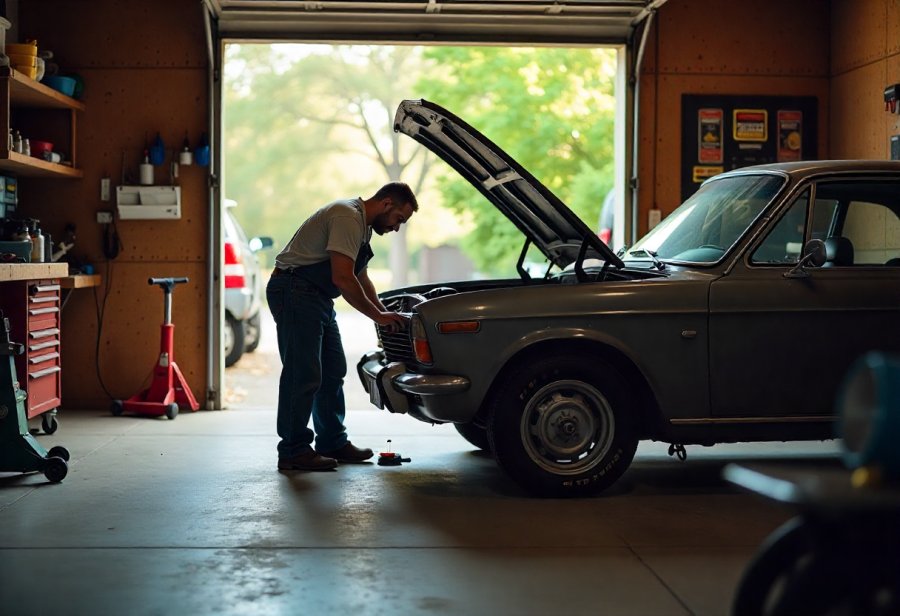
When choosing a garage, the skill and qualifications of the technicians should be a top priority. Certified mechanics, whether through ASE or manufacturer-specific programs, have proven their expertise through rigorous testing and ongoing training. Knowing your mechanic holds these credentials offers reassurance that they understand the latest repair techniques, diagnostic tools, and safety standards—especially vital for modern vehicles with complex electronic systems. Skilled technicians are more likely to perform reliable, safe repairs that keep your car running smoothly for years.
Reputation plays a critical role in the decision-making process. Before settling on a garage, ask for recommendations from friends or family, and read online reviews to gauge their reliability. Consistent positive feedback and long-standing community ties often reflect honest service, transparent work, and a genuine commitment to customer satisfaction. A garage’s reputation isn’t just a badge of trust; it’s a strong indicator of their ability to maintain your vehicle’s health over time.
Clear, written estimates before authorizing repairs are essential. These documents should itemize parts, labor, and any potential extras, giving you a transparent view of costs upfront. Avoid garages that hesitate to provide detailed estimates or push unnecessary repairs without proper explanation. Transparency about pricing helps you make informed decisions and prevents surprises when the bill arrives. Trustworthy garages prioritize honesty and are willing to explain what’s needed, building confidence for future visits.
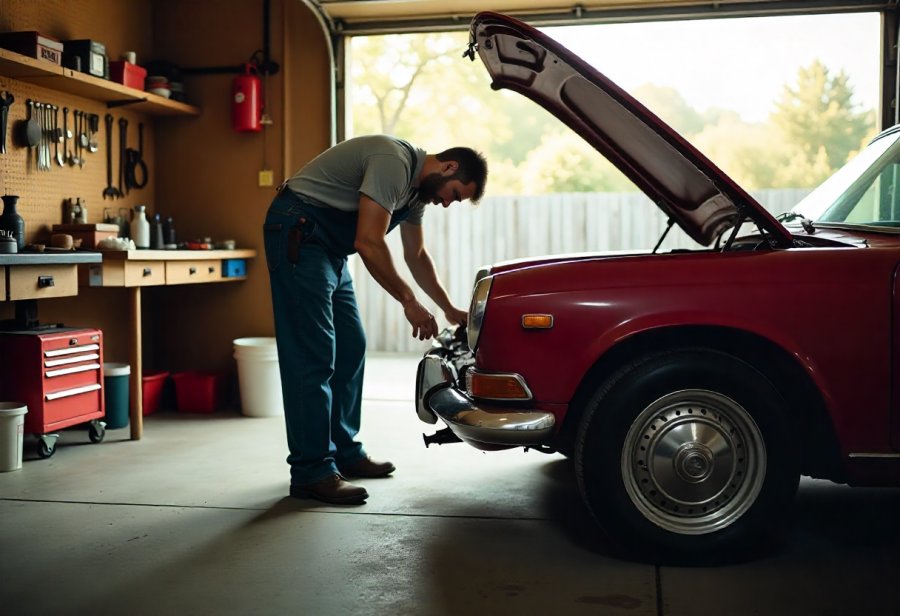
Your vehicle’s age and complexity should influence your choice. Older or vintage cars often benefit from a mechanic experienced in classic models and personalized service, ensuring delicate repairs are handled with care. Conversely, newer vehicles with advanced electronics demand access to sophisticated diagnostic equipment and manufacturer-approved parts. Asking about a garage’s specialties and tools ensures your car receives appropriate care, especially when dealing with complex or recent models.
Effective communication between you and your mechanic fosters trust and satisfaction. Mechanics who take the time to explain repairs clearly, answer questions patiently, and listen to your concerns create a positive experience. Open dialogue helps you understand what’s being done and why, reducing stress and establishing a long-term relationship. When your mechanic understands your needs and communicates honestly, you’re more likely to feel confident in their work.
Practical considerations like price and service flexibility also matter. Smaller garages often have lower overhead, allowing them to offer more competitive rates and be adaptable to urgent requests or scheduling needs. Larger chains, while generally pricier, provide standardized procedures and nationwide warranties, ensuring consistent quality no matter where you are. Balancing these factors according to your priorities—be it affordability, personalized service, or reliability—can lead to a better long-term partnership for your vehicle’s health.
Practical Tips for Picking the Right Garage: Expert Advice and Insights
When choosing a garage, start by verifying the credentials of the technicians. Look for certifications like ASE or manufacturer-specific training—these indicate that the mechanic has proven their skills through rigorous testing and stays current with the latest repair techniques. Skilled technicians are crucial for ensuring your vehicle receives reliable, safe repairs, especially as cars become more technologically complex. Don’t hesitate to ask for proof of certification; it’s a quick way to gauge their expertise and commitment to quality.
Next, prioritize transparency. Always request a detailed, written estimate before authorizing any work. A trustworthy garage will itemize parts, labor, and any potential extras, giving you a clear picture of costs upfront. This practice not only helps you avoid surprises but also allows you to compare quotes easily. If a shop hesitates to provide a detailed estimate or pushes repairs without explaining the necessity, consider it a red flag. Clear communication about costs builds trust and sets the stage for a positive relationship.
Reputation plays a vital role in your decision. Seek recommendations from friends, family, or colleagues, and check online reviews to get a sense of their reliability and honesty. A long-standing reputation for excellent service and honest dealings suggests a garage that values its customers and takes pride in quality work. Trusting a garage with a proven track record can save you headaches down the road and help maintain your vehicle’s health over time.
Consider your vehicle’s specific needs. Older or vintage cars often benefit from a mechanic experienced in classic models, who can handle delicate repairs with care. Modern vehicles, especially those with advanced electronics, require access to sophisticated diagnostic tools and manufacturer-approved parts. Asking about a garage’s specialties and equipment ensures your car gets the right care, preventing future problems and extending its lifespan.
Good communication between you and your mechanic makes all the difference. Mechanics who take the time to explain repairs in plain language, answer your questions patiently, and listen to your concerns foster trust and confidence. This open dialogue helps you understand what’s being done and why, making future visits less stressful. Building this rapport encourages long-term relationships that benefit your vehicle’s ongoing maintenance.
Finally, practical considerations like cost and flexibility matter. Smaller garages often have lower overhead, allowing them to offer competitive rates and be more adaptable to urgent requests or specific scheduling needs. Larger chains, while typically pricier, provide standardized procedures and nationwide warranties, ensuring consistent quality wherever you go. Aligning these factors with your priorities—whether affordability, personal attention, or reliability—can lead to a better long-term partnership that keeps your car running smoothly and safely.
Final Guidance: Making Informed Decisions for Your Vehicle’s Future
Choosing the right garage isn’t just about quick fixes; it’s a long-term decision that can significantly impact your vehicle’s health and performance. Whether you opt for a trusted local shop or a large national chain, your choice influences the quality of repairs, the level of trust you develop, and your peace of mind. Small, family-run garages often excel through personalized service and genuine relationships, which can lead to better long-term care as mechanics familiar with your vehicle’s history catch issues early. Their more flexible pricing and community ties make them a strong option for routine maintenance and ongoing vehicle health.
On the other hand, large chains bring the advantage of advanced diagnostic technology and consistent standards across locations. Their ability to handle complex repairs efficiently, combined with nationwide warranties, provides reassurance—especially if you own a newer vehicle or travel frequently. While their service might feel more transactional, the reliability and technological expertise they offer can be invaluable for modern cars with sophisticated electronic systems.
Technician qualifications play a critical role regardless of size. Certified mechanics with proven skills through recognized programs ensure that your vehicle receives reliable, safe repairs. A garage’s reputation, built on honest reviews and community trust, offers additional peace of mind, indicating a consistent commitment to quality and transparency. Asking for detailed, written estimates before authorizing work is essential; it helps you compare costs and prevents surprises, fostering trust and clarity.
Your vehicle’s specific needs should guide your choice. Classic cars benefit from mechanics experienced in vintage models, while newer, electronically complex vehicles require access to the latest diagnostic tools and manufacturer-approved parts. Open communication with your mechanic, where questions are answered clearly and concerns heard, builds a relationship that encourages long-term maintenance and better vehicle health.
Cost and flexibility are practical factors that shouldn’t be overlooked. Smaller garages often provide more competitive rates and personalized solutions, making them attractive for regular upkeep. Larger chains, while typically pricier, offer the security of standardized procedures and nationwide warranties, which can be a decisive factor depending on your circumstances.
In the end, the best garage is one that combines honesty, expertise, and consistency—regardless of its size. Investing time in selecting a trusted partner who genuinely cares about your vehicle’s well-being will pay off in the long run. A reliable mechanic isn’t just a service provider; they become a partner in keeping your car safe, dependable, and running smoothly for years to come.