Choosing the right approach to car repair—DIY, mobile mechanic, or full-service garage—can dramatically impact your safety, costs, and vehicle longevity. DIY repairs are appealing for simple tasks like oil changes, offering savings and a sense of accomplishment, but they come with risks if you overestimate your skills or tackle complex issues. Mobile mechanics offer the convenience of on-site fixes for routine repairs, yet their limitations become apparent with more involved or safety-critical jobs. Full-service garages are equipped with specialized tools and expertise to handle complex engine or transmission repairs, providing peace of mind but at a higher cost. As automotive technology evolves, repairs involving electronic systems become increasingly complex, making professional help essential. Are you confident your skills match the job at hand, or could an improper repair jeopardize your safety? Making informed decisions about repair methods ensures your vehicle remains reliable, safe, and cost-effective—highlighting the importance of knowing when to DIY, call a mobile mechanic, or trust a professional garage.
Contents
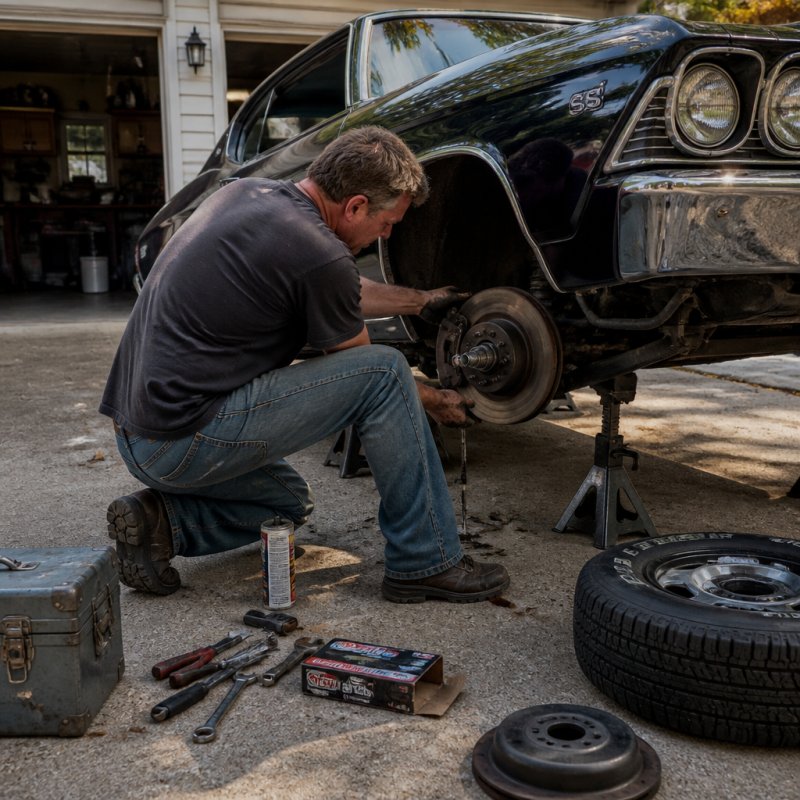
Explore Your Car Repair Options: DIY, Mobile Mechanics, or Garages
When your car starts acting up, figuring out how to get it fixed can feel overwhelming. Luckily, you have three main options to choose from: doing it yourself, calling a mobile mechanic, or heading to a traditional garage. Each approach fits different needs, budgets, and skill levels, so understanding their strengths and limits helps you make smarter decisions.
Starting with DIY repairs, this route appeals to those who enjoy hands-on work and want to save money. Tasks like changing the oil, swapping out wiper blades, or replacing a battery are simple enough for most car owners with some basic tools and a little patience. Doing repairs yourself not only cuts costs but also gives you a chance to learn more about your vehicle, which can make future maintenance easier.
Mobile mechanics offer a convenient middle ground. They come directly to your driveway or parking lot to handle routine fixes like brake pad replacements, fluid top-offs, or battery swaps. This saves you time and the hassle of towing or waiting at a shop, making them a popular choice for busy schedules. However, their capabilities are limited by the tools and parts they can carry, so they’re best suited for straightforward repairs.
For more complex or safety-critical repairs, traditional garages are still the go-to option. They’re equipped with lifts, diagnostic scanners, and specialized tools needed for engine or transmission work. Technicians at these shops have the training and experience to handle intricate problems, often backed by warranties on parts and labor, giving you peace of mind that your vehicle is in capable hands.
Choosing the right repair method depends on the specific issue and your comfort level. Small, routine tasks are often best tackled by the owner, especially if you’re confident working with basic tools. For quick fixes that don’t require heavy equipment, mobile mechanics can save you time. But for repairs involving critical safety components or complex diagnostics, trusting a professional garage is usually the safest choice to keep your car running reliably.
Deciding the Right Repair Method: Factors That Matter
Deciding how to approach a car repair depends heavily on understanding the job’s complexity and safety implications. Simple fixes like replacing a battery or changing windshield wipers are usually straightforward enough for a DIY project, especially if you’re comfortable working with basic tools. However, when it comes to safety-critical components such as brakes or airbags, professional help is the safer bet. Mistakes in these areas can have serious consequences, so knowing when to call in the experts is crucial.
Next, consider the tools and equipment needed. Basic repairs often require only common hand tools that most car owners already have or can easily acquire. But more involved tasks—like wheel alignments or engine repairs—demand specialized machinery such as lifts or diagnostic scanners. If you don’t have access to these tools, attempting the repair yourself could lead to mistakes or safety hazards. In those cases, trusting a professional with the right equipment makes more sense.
Cost is another significant factor. DIY repairs might seem cheaper, but errors can turn minor issues into costly repairs down the line. Professional services tend to be pricier upfront but often deliver more reliable, longer-lasting results. Comparing parts prices, labor fees, and potential hidden costs helps determine which option offers the best value for each repair job. Sometimes, investing in a professional fix saves money in the long run by preventing repeat visits or damage.
Your skill level and confidence play a key role as well. Be honest about what you can handle safely. Watching tutorials and reading manuals can help gauge your readiness, but don’t hesitate to seek professional help if you feel unsure. Attempting complex repairs beyond your skill set risks damaging your vehicle or compromising safety—something no cost saving is worth.
Readers may find more insight in Smart Car Repair Choices for Safe and Cost-Effective Maintenance, an article by Kenzie Wilson on Fantasy Quest Pro.
Safety considerations and warranty coverage also influence your choice. Certain repairs, especially those involving brakes or steering, require precise work and proper safety protocols. Skipping proper procedures or working without the right tools can lead to accidents or further damage. Additionally, some vehicle warranties stipulate that only authorized shops perform specific repairs; doing otherwise could void coverage, leaving you responsible for future costs.
Finally, think about how much time and effort each option demands. DIY projects can be rewarding but often take longer, particularly if it’s your first time. Mobile mechanics offer the convenience of on-site service, saving you trips and wait times. Garages, while more time-consuming to schedule, provide comprehensive repairs with professional guarantees. Balancing these factors ensures you choose the method that best fits your situation and keeps your vehicle safe and reliable.
Trust Hirji Auto Repairs for Expert Brake Services in Thornhill
Looking for reliable automotive care in Thornhill, Ontario? Hirji Auto Repairs is your local family business specializing in comprehensive vehicle maintenance. Whether you need basic tune-ups, wheel alignments, or new brakes, our team ensures fast and professional service. We also offer new tires and complete brake service to keep your vehicle safe and running smoothly. Located at 60 Green Lane, Unit #2, Thornhill, Hirji Auto is dedicated to providing quality care with a personal touch. Call us today at 905-886-4404 for prompt assistance and experience the best in auto repairs and brake services.
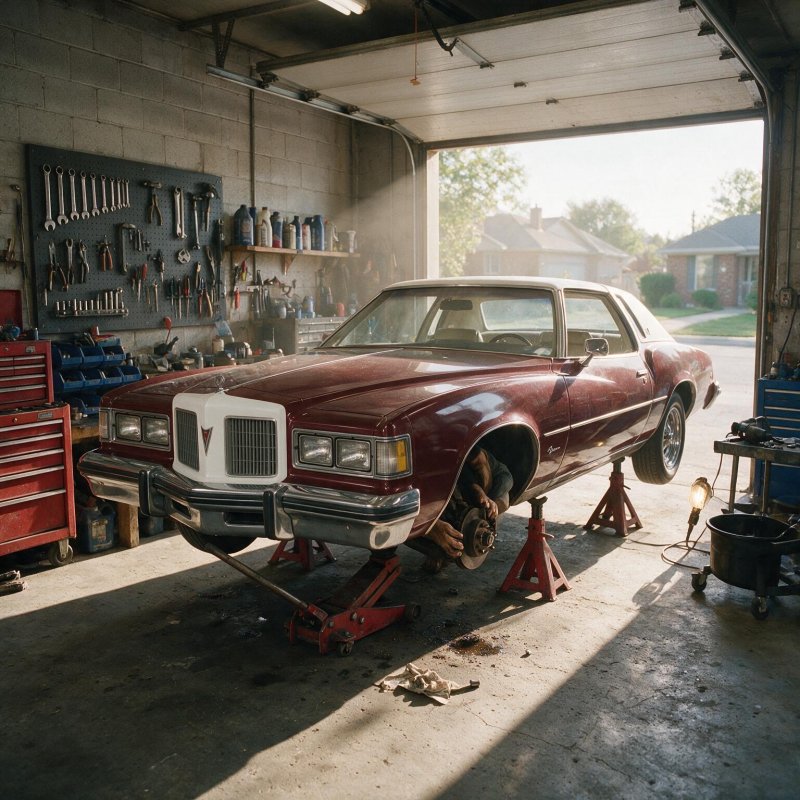
Navigating Complexities and Challenges in Car Repairs
Car repairs often seem simple at first glance, but many quickly become more complicated once you start digging deeper. What appears to be a straightforward fix, like replacing a worn-out alternator or fixing a leaky hose, can hide underlying issues that aren’t immediately obvious. Modern vehicles rely heavily on electronic systems and sophisticated diagnostics, which can turn a minor repair into a complex puzzle. What looks like a basic electrical fault might involve multiple sensors, control modules, or wiring harnesses, making the job much more involved than expected.
Electronics today are a major source of repair challenges. Modern cars depend on a web of sensors and computers that manage everything from engine performance to safety features. Troubleshooting these systems isn’t just about swapping parts; it requires specialized diagnostic tools capable of reading complex error codes. Without the right equipment and expertise, even experienced DIYers can find themselves lost in a maze of signals and data, increasing the risk of misdiagnosis and further complications.
Unexpected issues often surface once you start working on a vehicle. Fixing a faulty alternator might reveal worn belts, corroded wiring, or additional failing parts that weren’t initially visible. Sometimes, addressing one problem exposes another, causing repairs to snowball and costs to climb. This interconnectedness means what seemed like a simple job can quickly turn into a much larger project, especially if you’re trying to do it yourself without professional tools or training.
Safety is another critical concern, especially with complex repairs involving systems like brakes or steering. Mistakes here can lead to serious accidents or further damage to the vehicle. Working on high-pressure systems without proper knowledge and equipment not only endangers your safety but also risks compromising the vehicle’s integrity. Knowing when a repair exceeds your skill level is crucial to avoid dangerous situations and costly mistakes.
The rapid evolution of automotive technology adds to these difficulties. Repairs that once involved basic mechanical skills now often require brand-specific tools and detailed system knowledge. For most car owners, this shift makes DIY repairs impractical beyond simple maintenance. The increasing complexity and need for specialized equipment highlight why many repairs are best left to trained technicians who stay current with the latest technology.
Pushing ahead without understanding these complexities can lead to costly mistakes. Attempting complex repairs without proper tools or training risks making problems worse, which may result in even higher repair bills later. Recognizing your limits isn’t a sign of weakness; it’s a smart way to protect your vehicle’s safety and longevity.
For a deeper look at this topic, see Quin Wade‘s article Mastering Car Repairs: When to DIY and When to Call a Pro on Sit Tight Now.
Each of these factors underscores why some repairs are better handled by professionals. While DIY can be satisfying and economical for basic tasks, recognizing when a problem surpasses your skill set is essential. Knowing the true scope of the repair helps you avoid costly missteps and keeps your vehicle safe, reliable, and running smoothly.
Applying Repair Strategies to Real-Life Situations
When your car starts showing signs of trouble, choosing the right repair approach depends on the specific situation. For small issues like a dead battery or a flat tire, calling a mobile mechanic can be a real time-saver. They come directly to your driveway or parking lot, handle the fix on-site, and save you the hassle of towing or waiting at a shop. These quick, routine repairs are often perfect for mobile services because they don’t require heavy equipment or complex diagnostics.
If your vehicle begins making strange noises, losing power, or displaying warning lights that won’t turn off, it’s probably time to visit a full-service garage. These problems tend to be more involved and usually need specialized tools and experienced technicians to diagnose and repair. Garages have lifts, diagnostic scanners, and expertise to handle complex engine or transmission issues, especially when safety is a concern.
This perspective is expanded in Malcolm Jones‘s article Smart Car Repair Choices to Save Money and Stay Safe on The North Shore.
For routine maintenance like oil changes, replacing air filters, or windshield wipers, many owners find doing it themselves makes sense. Not only does it save money, but it also offers a chance to better understand their vehicle. If you’re comfortable with basic tools and have the right supplies, these simple tasks can be quick and satisfying—giving you a sense of control over your car’s upkeep.
When repairs are slightly more involved but still manageable without heavy equipment, a mobile mechanic can be a practical choice. They often arrive equipped with the necessary parts and tools, allowing you to get brakes replaced, fluids flushed, or alternators swapped out without the inconvenience of a garage visit. This combination of convenience and professionalism keeps minor issues from turning into major headaches.
However, for more serious problems—like engine work, transmission repairs, or anything requiring a vehicle lift—the garage is the safest and most reliable option. These jobs demand specialized machinery and a controlled environment to ensure safety and precision. Attempting such repairs at home or with a mobile mechanic isn’t just impractical; it could compromise safety or lead to further damage.
Matching the repair to the right approach involves balancing the complexity of the issue, safety considerations, and your skill level. Simple fixes are often best handled by the owner or a mobile mechanic, while complex or safety-critical repairs should be left to professionals. Making the right call keeps your vehicle running smoothly and safely, avoiding unnecessary risks or expenses.
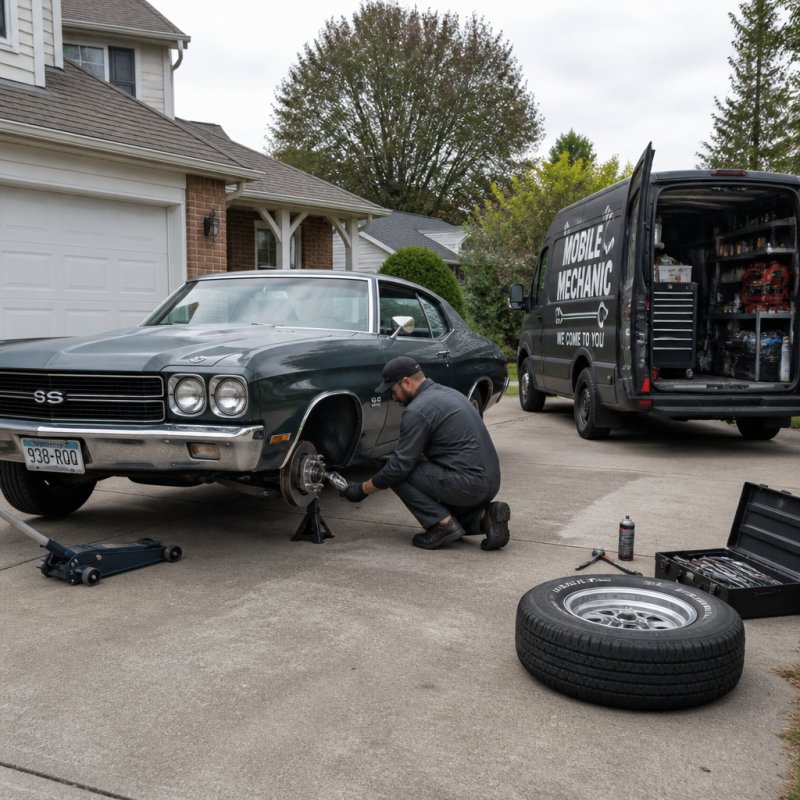
Summing Up: Making Smart, Safe Car Repair Choices
Deciding how to handle your car repairs isn’t just about saving a few dollars; it’s about making choices that prioritize safety, quality, and long-term reliability. Doing your own repairs can be rewarding and cost-effective for simple tasks like oil changes or replacing filters, but it’s crucial to honestly assess your skills and the complexity of the job. Overestimating what you can handle might save money upfront but risks costly mistakes that could compromise your safety or damage your vehicle further.
Mobile mechanics have gained popularity because they blend convenience with professionalism. They come to your driveway or parking lot, handling routine repairs quickly and often at a lower cost than a traditional shop. Their on-site service is perfect for straightforward tasks such as brake pad replacements, fluid top-offs, or battery changes, saving you time and the hassle of towing or waiting. Still, their capabilities are limited by the tools and parts they can carry, making them less suitable for complex or safety-critical repairs.
Full-service garages remain the best choice for intricate repairs involving engine work, transmissions, or advanced diagnostics. Equipped with lifts, specialized tools, and diagnostic scanners, they can handle complex problems efficiently. Their technicians’ expertise and warranties on parts and labor provide peace of mind, especially when safety or vehicle longevity is at stake. While more expensive and requiring scheduling, their professional environment ensures your car receives the highest standard of care.
Matching the repair approach to the job involves weighing complexity, safety, and your confidence level. Simple maintenance tasks or minor repairs are often best suited for DIY, especially if you’re comfortable working with basic tools. For routine fixes that don’t require heavy equipment, mobile mechanics offer a practical middle ground. But for anything involving critical safety systems or complex diagnostics, trusting a professional garage is usually the safest, most reliable option.
Recognizing your limits is vital. Pushing beyond your skills or available tools can turn a straightforward repair into a costly mistake or safety hazard. When in doubt, consulting a professional not only preserves your vehicle’s integrity but also keeps everyone on the road safer. It’s better to spend a little more on expert help than to risk the consequences of an improper repair.
Remember, automotive technology is evolving rapidly, making many repairs more complex than ever before. Electronic systems and sophisticated diagnostics require specialized training and equipment that most DIYers and mobile mechanics don’t possess. This shift emphasizes the importance of knowing when to step back and let trained technicians handle the tricky parts, ensuring your vehicle remains reliable and safe.
The key to smart repair decisions isn’t just about immediate costs—it’s about long-term value, safety, and peace of mind. Knowing when to DIY, call a mobile mechanic, or visit a garage keeps your vehicle in top shape without unnecessary risks. With awareness and good judgment, you can maintain your car’s performance and safety while avoiding avoidable mistakes. Trusting the right method for each repair is an investment in your vehicle’s future—and your own.