In an era where home security transcends traditional locks and alarms, cutting-edge technology promises to redefine safety—from remote surveillance to intelligent access controls. But can these interconnected systems truly protect modern families from unpredictable threats? As homes evolve into smart environments capable of learning routines and detecting anomalies, the promise of proactive, seamless security becomes tantalizingly real. Yet, this digital leap introduces new vulnerabilities, from cyber risks to privacy concerns, prompting us to ask: are these innovations more safeguard or exposure? With real-time alerts, remote management, and AI-driven analytics, today’s security solutions offer unprecedented peace of mind—if used wisely. As technology advances toward fully integrated, adaptive ecosystems, the challenge lies in balancing convenience, security, and privacy. Will the future of home safety be truly bulletproof, or are we merely trading old vulnerabilities for new ones? This technological evolution beckons us to rethink what it truly means to feel safe.
The Evolution of Home Security: From Locks to Smart, Connected Homes
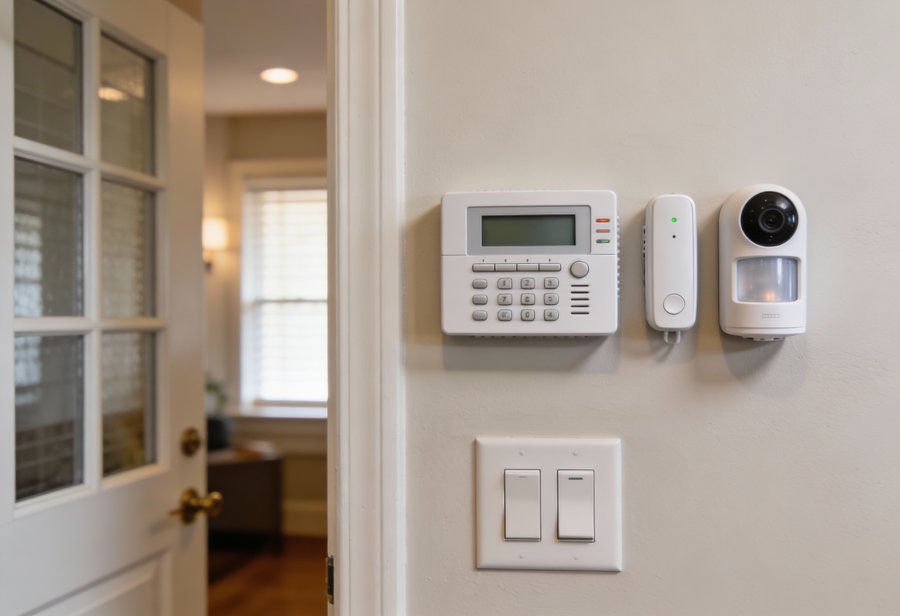
Home security has transformed dramatically over the years, shifting from simple locks and alarm bells to sophisticated, interconnected systems that can be controlled remotely. This evolution reflects a broader shift toward making safety not just more effective, but also more seamless and integrated into daily life. Today’s homes are equipped with smart devices that communicate with each other, allowing homeowners to monitor and respond to potential threats from anywhere using their smartphones or tablets. This connectivity creates a new level of control and peace of mind, making security a proactive, rather than reactive, part of home management.
Traditional security measures like deadbolts and basic alarms provided only a limited barrier against intruders. As threats became more advanced, so did the technology designed to prevent them. Electronic sensors, wireless cameras, and remote monitoring systems emerged, transforming home security into a responsive network. These innovations enable families to keep an eye on their property in real time, whether they’re at work, on vacation, or just out for errands. The ability to view live footage or receive instant alerts means that potential issues can be addressed immediately, often before they escalate.
The introduction of smart locks and centralized control apps brought a new level of convenience and flexibility. Homeowners can grant temporary access to visitors or service providers without physical keys and manage multiple security devices from a single interface. These features not only enhance security but also fit seamlessly into busy lifestyles. The integration of security with home automation—controlling lights, locks, and even climate—creates a dynamic environment that responds intelligently to various situations, turning homes into responsive, smart spaces.
This technological shift also addresses the unpredictable nature of today’s threats. From package thefts to unauthorized entries, modern systems are designed to detect and deter a range of risks with minimal effort. High-definition CCTV cameras, motion detectors, and real-time alerts work together to provide comprehensive coverage, giving homeowners confidence that their homes are protected around the clock. With remote control capabilities, families can verify and react to incidents instantly, often preventing crime before it happens.
Ultimately, the evolution of home security reflects a move toward smarter, more integrated solutions that prioritize both safety and convenience. Connected, remote-controlled systems make it possible to manage security effortlessly while maintaining a high level of protection. As this technology continues to advance, homes will become safer, more adaptable environments—ready to meet the challenges of today’s unpredictable world with confidence and ease.
Tracing the Technological Milestones in Home Security Development
Home security technology has come a long way from the days of simple mechanical locks and deadbolts, which primarily served as basic physical barriers. While effective at deterring casual intruders, these traditional locks could be bypassed by more determined burglars, exposing homes to vulnerabilities. As threats grew more sophisticated, the need for advanced solutions led to the development of electronic alarms, sensors, and surveillance devices that could detect unauthorized entry and alert homeowners instantly. This shift transformed home security from a solely physical measure into a responsive, electronic network.
With the advent of electronic alarms, security systems became more dynamic and integrated. Cameras, motion detectors, and glassbreak sensors could be combined into a single, cohesive platform, offering comprehensive coverage of the property. Early alarm systems were wired and standalone, but wireless technology rapidly took over, making installation easier and allowing for flexible placement. Today, homeowners can monitor their property remotely via smartphones or computers, checking live footage or receiving real-time notifications. This connectivity turned security into a proactive measure, empowering families to respond swiftly to potential threats.
Smart locks then revolutionized access management by replacing traditional keys with digital codes, fingerprint scanners, or facial recognition. These devices could be controlled remotely, allowing users to grant temporary access to visitors or service providers without handing over physical keys. Integrating smart locks with control apps streamlined management further, enabling homeowners to oversee multiple devices from one interface. This seamless integration marked a significant step toward fully connected home security ecosystems that combine convenience with heightened protection.
The ongoing integration of devices into broader smart home systems has created environments that respond intelligently to various situations. For example, outdoor motion detection can trigger outdoor lights, sound alarms, and notify homeowners simultaneously—often deterring threats before they escalate. High-definition CCTV cameras provide clear, accessible footage, serving both as a deterrent and a source of evidence if needed. These interconnected devices work together to prevent incidents proactively, shifting the focus from reactive to preventive security.
A deeper treatment of this topic appears in Revolutionizing Home Security with Smarter Connected Solutions, by Jens Williams on Fantasy Quest Pro.
Emerging technologies like AI-powered facial recognition and sensor learning capabilities are now pushing home security further. These innovations enable systems to identify familiar faces, recognize household routines, and detect anomalies with greater accuracy. As a result, false alarms decrease, and responses become more precise, making security systems smarter and more reliable. Continuous advancements promise to create environments that adapt seamlessly to household patterns and emerging risks, building a foundation for the future of integrated home safety.
Premier Security Solutions for Markham Ontario by F.I.S.T Security
F.I.S.T Security is a trusted Canadian-owned and operated business serving the Markham Ontario community with comprehensive security solutions. Renowned for our dedication to excellence, we offer a wide range of services including intruder detection, card access, alarm monitoring, remote video monitoring, lighting, and environmental control. Our expertise in CCTV systems ensures your property is monitored with the highest standards of safety and reliability. At FIST Security, we take pride in our reputation and consistently go the extra mile to meet our clients’ needs. Whether you require security upgrades or custom surveillance solutions, our team is committed to delivering exceptional service. Contact us today at 416.755.4233 or email [email protected] to learn more about how we can safeguard your assets.
Modern Home Security Today: Trends, Technologies, and Challenges
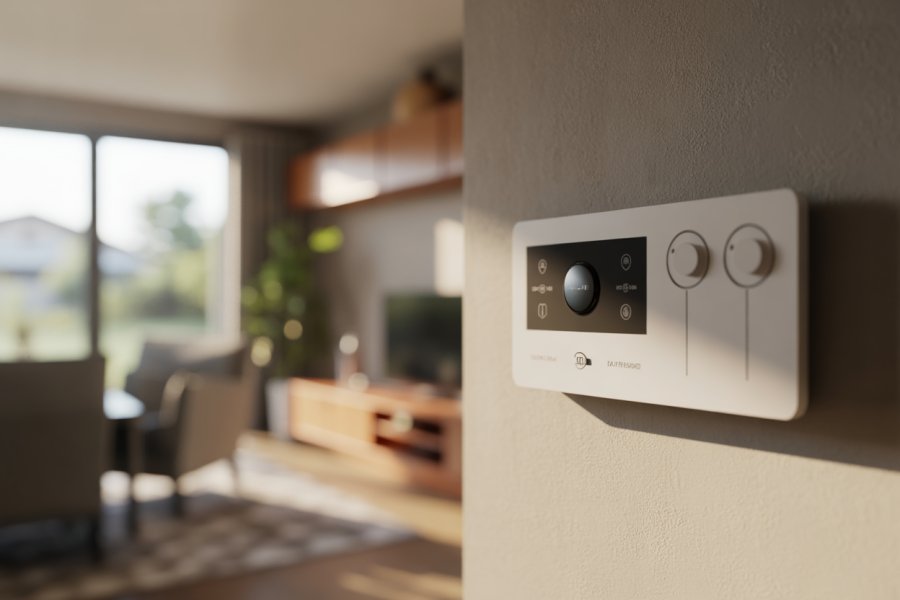
Today’s home security landscape is more advanced and interconnected than ever before. Many households rely on integrated systems that combine high-definition cameras, smart locks, and real-time alerts, all accessible via smartphones or tablets. This seamless control allows homeowners to check live footage, lock or unlock doors, and receive instant notifications about suspicious activity, transforming security into an active, manageable process rather than a static barrier.
Emerging trends like AI-powered facial recognition and smart doorbells are making security management more intuitive. Facial recognition can identify familiar faces or alert homeowners to strangers, while smart doorbells provide live video feeds of visitors—even when no one is home. Professional monitoring services have gained popularity, adding an extra layer of protection by automatically alerting authorities during emergencies. These innovations create a streamlined, responsive security experience that fits smoothly into everyday routines.
However, the rapid integration of connected devices introduces new challenges. Cybersecurity risks are a real concern, as hackers could potentially access or disable systems. Choosing reputable brands and keeping software up to date are essential steps in safeguarding your network. Over-relying on digital solutions can sometimes lead to neglecting fundamental practices, like physically securing doors and windows or routinely testing systems. Finding a balance between high-tech features and traditional safety habits remains key.
Sit Tight Now features a related article by Ophie Nelson titled Experience the Future of Home Security with Intelligent Remote Control Systems.
Customization options now play a crucial role in modern home security. Devices can be tailored to specific vulnerabilities, with sensors strategically placed at high-risk points. Users can set preferences for silent alarms or loud sirens, automate routines, and automate responses—such as activating cameras and alerts when motion is detected outside. This flexibility makes systems more effective and user-friendly, adapting to the unique needs of each household.
Interconnectivity within smart home ecosystems elevates security from reactive to proactive. When motion sensors detect activity outside, they can trigger outdoor lights, sound alarms, and send instant notifications—all automatically. This layered approach often deters threats before they escalate, creating a more resilient environment. It’s a shift from simply responding to incidents to preventing them altogether.
Despite these technological advances, vulnerabilities still exist. Technical malfunctions, software glitches, or cyberattacks can undermine security. Regular maintenance—such as firmware updates and system checks—is vital to keep everything running smoothly. Combining reliable technology with consistent safety routines ensures a more dependable defense against today’s unpredictable threats.
In many homes, modern security systems have become an extension of daily life. Checking cameras, locking doors remotely, or receiving alerts is now part of routine tasks, offering reassurance and convenience. This integration allows families to respond swiftly to potential issues, often preventing incidents before they happen. It’s a shift toward smarter, more responsive safety that adapts to the fast-paced, unpredictable world we live in.
Practical Benefits of Smart Security: Enhancing Safety, Convenience, and Peace of Mind
Modern home security technology significantly enhances daily safety and convenience, transforming how families protect their homes. With integrated systems, managing security becomes effortless—checking live camera feeds, locking doors remotely, or receiving instant alerts. This quick access provides peace of mind, allowing residents to verify situations in real time and respond swiftly to potential threats, often before they escalate. It’s a practical shift that turns security from a passive barrier into an active, responsive safeguard.
These smart solutions also streamline everyday routines. Digital locks enable granting temporary access to guests or service providers without physical keys, while automated lighting reacts to motion outside, deterring intruders and illuminating pathways. Such features work seamlessly in the background, making homes safer without disrupting daily life. The ability to control multiple devices from a single app simplifies complex security setups, ensuring that safety is always at your fingertips—whether at home or away.
Real-time monitoring amplifies these benefits by allowing homeowners to respond immediately to suspicious activity. For example, receiving a notification about someone lurking outside, then checking the live feed and unlocking the door remotely, can prevent a break-in altogether. This proactive approach empowers families to act instantly, often stopping incidents before they occur. It shifts the security paradigm from reactive to preventive, creating a resilient environment that adapts to the unpredictable nature of today’s threats.
This idea is explored more fully in Fred Morgan‘s article Revolutionizing Home Security with Smarter Remote Solutions at The Rubber Room.
Installation and management of these systems are more straightforward than many expect. Most setups start with identifying vulnerable points and choosing suitable devices. User-friendly apps guide the process, making it accessible even for those new to smart technology. Regular maintenance—like firmware updates and sensor checks—ensures everything functions reliably, turning high-tech security into a seamless part of everyday life. When properly managed, these solutions become invisible protectors, working tirelessly around the clock.
In the end, modern security systems do more than protect—they create confidence. By integrating technology with daily routines, families can enjoy a higher level of safety and peace of mind. With the ability to respond instantly to threats and control their environment remotely, residents gain a sense of empowerment and reassurance. This blend of advanced tech and practical convenience makes home security not just smarter, but also more human—focused on what truly matters: keeping loved ones safe and secure in an unpredictable world.
Future of Home Security: Smarter, More Integrated, and Proactively Secure
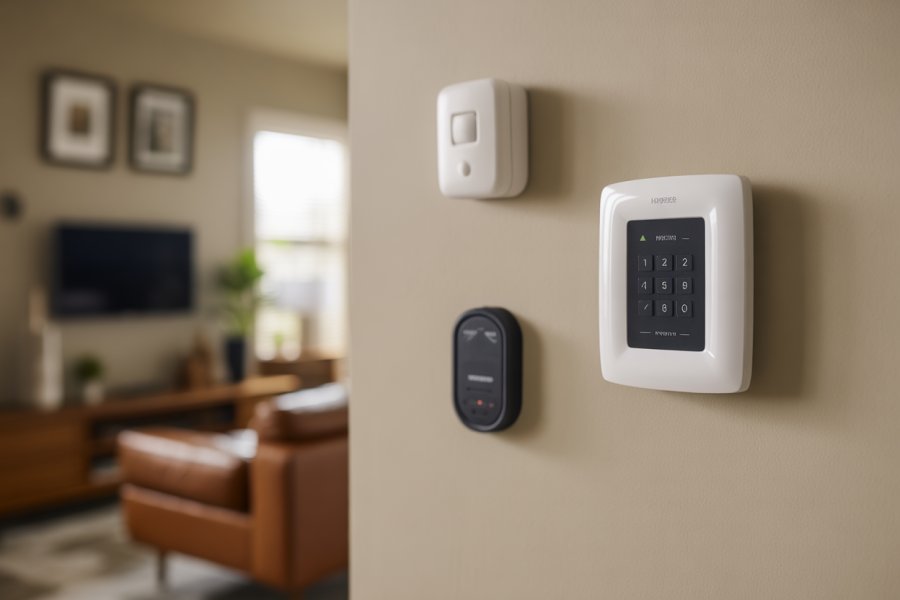
The future of home security is heading toward even smarter, more integrated systems that adapt seamlessly to our daily lives. Advances in artificial intelligence and the Internet of Things are enabling devices to learn household routines, recognize familiar faces, and detect anomalies with remarkable precision. This shift means fewer false alarms and quicker, more accurate responses, making homes safer without demanding constant manual oversight. As facial recognition and biometric technologies become more sophisticated, controlling access will be both easier and more secure, allowing for smooth, contactless entry while better identifying potential threats before they even attempt to enter.
Looking ahead, security systems will evolve from reactive measures into predictive, self-adjusting networks. Connected devices will communicate more effectively, creating a cohesive ecosystem that responds automatically—whether by adjusting lighting, locking doors, or alerting residents to unusual activity. This automation aims to prevent incidents before they happen, turning homes into environments that adapt intuitively to changing needs and risks. Such innovations promise a future where safety seamlessly integrates into daily routines, offering peace of mind in an unpredictable world.
However, these technological leaps come with new challenges. Cybersecurity risks will grow as more devices connect online, increasing potential vulnerabilities for hackers to exploit. Protecting personal data and ensuring system integrity will require ongoing vigilance from manufacturers and homeowners alike. Privacy concerns, especially around biometric data, will demand transparent, ethically designed solutions that foster trust and widespread adoption. Balancing innovation with security and privacy will be essential to realize the full benefits of these advancements.
Despite these hurdles, the trajectory is clear: home security will become more intuitive, responsive, and integrated. AI-driven analytics will reduce false alarms, enabling systems to understand household patterns and respond more intelligently. Devices will work together harmoniously, creating a safety net that’s both resilient and unobtrusive. Homes will transform into dynamic spaces that not only react to threats but actively prevent them, reinforcing safety through proactive, adaptive technology.
But technology alone won’t guarantee complete security. Homeowners will need to stay informed, keep devices updated, and cultivate good digital habits. Manufacturers must prioritize transparency and user-friendly design to build trust. When combined thoughtfully, these smart solutions will create homes that are not only safer but also more comfortable and convenient—places that genuinely respond to the complexities of modern life. As we move forward, the goal should be systems that are as trustworthy as they are easy to manage, ensuring safety remains effortless and reliable for generations to come.