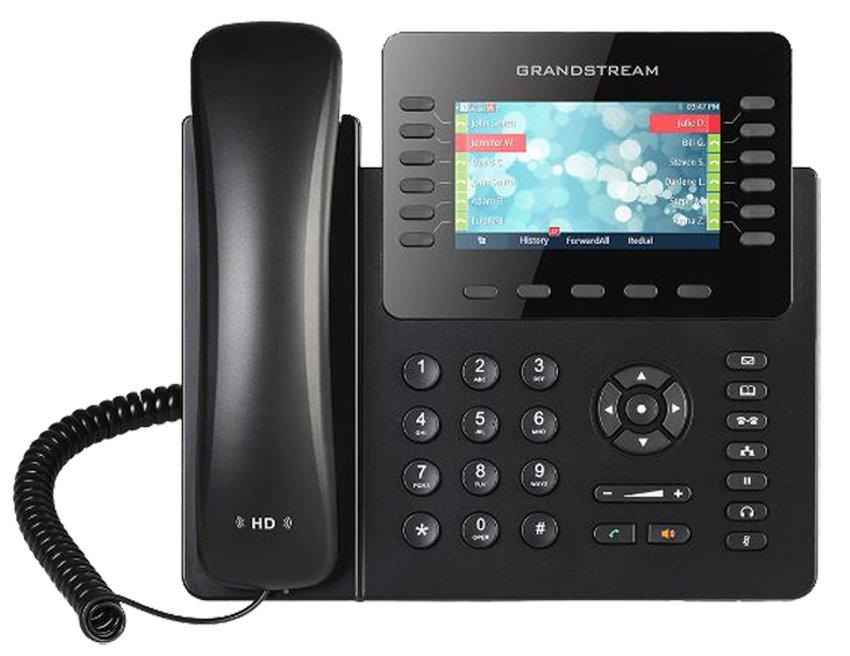
Imagine transforming your business communication into a seamless, personalized experience—are you truly leveraging the full potential of Grandstream’s innovative devices? In today’s competitive landscape, off-the-shelf systems often fall short, but tailored telephony solutions can revolutionize efficiency and customer satisfaction. By integrating VoIP technology, customizable IP phones, and cloud management platforms, organizations gain unprecedented control and flexibility. These systems streamline workflows, enhance responsiveness, and foster a professional image while adapting swiftly to growth or changing needs. Yet, implementing personalized setups poses challenges such as technical complexity and costs, prompting a careful balance between customization and scalability. As future innovations like AI-driven routing and smarter devices emerge, the potential to create dynamic, intuitive communication ecosystems grows—what will your organization do to stay ahead? The evolution of telephony promises not just faster, smarter systems, but truly meaningful interactions that can redefine success.
Transform Your Business Communication with FiberConX’s Advanced VoIP Solutions in Canada
Enhance your communication infrastructure with FiberConX Communications, a leading provider of VoIP business and residential phone services in Canada. Our solutions include features like voicemail, IVR, Ring Groups, and voicemail-to-mail, ensuring seamless and professional interactions. For organizations seeking reliable and flexible hardware, explore our Grandstream IP Phones options, designed to optimize your phone system. Whether you need to streamline customer support or improve internal communication, FiberConX has the tools and expertise to elevate your business. Contact us today at 1.800.961.6856 or email [email protected] to learn more about our tailored VoIP services.
Transform Your Business Communication with Customized Telephony Solutions
In today’s fast-paced business world, clear and effective communication is more than just a convenience — it’s a key driver of success. Off-the-shelf phone systems can often fall short because they don’t address the unique needs of each organization. That’s where customized telephony solutions come into play. By tailoring features, device setups, and management options, companies can craft communication systems that truly support their workflows and growth ambitions.
These personalized setups make daily operations more streamlined and responsive. When a business invests in a telephony system designed around its specific requirements, employees can handle calls faster and more accurately. Automated call routing, personalized greetings, and integrated data access ensure that customer inquiries reach the right team members promptly, reducing delays and miscommunication. This results in a more professional impression for clients and a smoother internal process.
Understanding the core elements behind these solutions is essential. Modern telephony has evolved far beyond traditional landlines. Voice over Internet Protocol (VoIP) now forms the backbone, allowing voice calls to travel over the internet instead of dedicated phone lines. This shift not only cuts costs but also unlocks advanced features like video conferencing, voicemail-to-email, and dynamic call routing—tools that enhance overall communication flexibility.
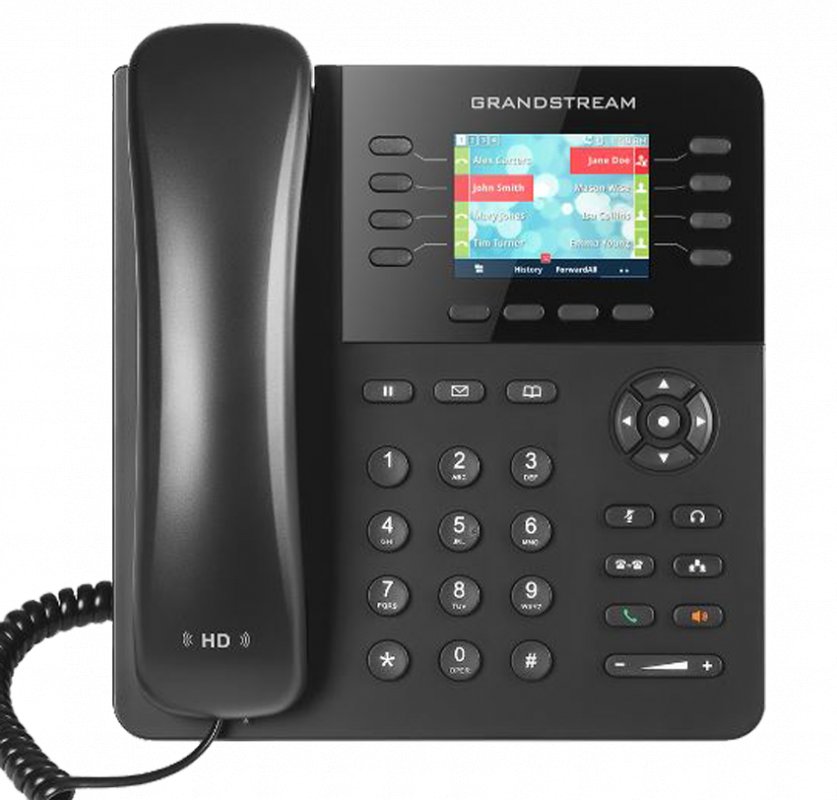
At the heart of these innovations are IP phones, which connect directly to the internet and leverage VoIP capabilities. Unlike traditional phones, IP devices can be customized with programmable buttons, soft keys, and seamless integrations with other business applications. When paired with cloud management platforms, they become part of a scalable, remote-controlled ecosystem that simplifies deployment and ongoing maintenance across multiple locations.
Cloud-managed platforms further empower organizations by centralizing control. IT teams can update features, troubleshoot issues, and add or remove users remotely, reducing the need for physical interventions. This level of flexibility supports business growth and adaptation, enabling companies to respond quickly to changing needs or expanding operations without halting communication.
By combining these elements—VoIP, IP phones, and cloud management—businesses can build a robust, personalized communication environment. When configured with role-specific features like dedicated speed dial keys or CRM integrations, these systems help employees respond more swiftly and accurately. The result is a professional, efficient, and adaptable communication setup that can evolve alongside the organization.
In essence, understanding and implementing tailored telephony solutions is a smart move for any business aiming to improve internal coordination and customer experiences. These systems don’t just facilitate conversations—they transform communication into a strategic asset. As technology continues to advance, the potential for customization and smarter management will only grow, making it easier than ever to stay ahead in a competitive landscape.
Building Blocks of Modern Business Communication: Core Telephony Concepts
Telephony systems are the backbone of modern business communication, supporting everything from quick internal chats to complex customer interactions. Over the years, these systems have evolved dramatically, moving beyond traditional landlines to embrace digital, internet-based solutions. Today, Voice over Internet Protocol (VoIP) is the standard, transforming how companies transmit voice calls by converting analog signals into digital data that travels over the internet. This shift not only reduces costs but also introduces a suite of advanced features that enhance flexibility and responsiveness.
At the core of these innovations are IP phones, which connect directly to the internet and utilize VoIP technology. Unlike traditional phones, IP devices offer programmable buttons, soft keys, and seamless integration with other business tools. These features allow users to customize their workflows, making call handling faster and more efficient. When paired with cloud management platforms, IP phones become part of a scalable ecosystem, enabling centralized control and remote management across multiple locations.
A broader explanation of this topic can be found in Zel Shaw‘s article Transform Your Business Communication with Custom Telephony Solutions on Quantum Odyssey 5351898.
Cloud-managed telephony platforms further empower businesses by providing a centralized interface for system administration. IT teams can perform updates, troubleshoot issues, and adjust settings remotely, eliminating the need for physical access. This flexibility supports rapid deployment, easy scaling, and quick adaptation as organizational needs change. With cloud control, businesses can introduce new features or expand their systems without costly hardware upgrades or downtime, making their communication infrastructure more resilient and adaptable.
Understanding these foundational elements—VoIP, IP phones, and cloud platforms—clarifies how modern telephony supports operational efficiency. Custom features like role-specific buttons, automated call routing, and integrated CRM data streamline daily interactions. Employees can respond more swiftly and accurately, reducing delays and miscommunication. This not only improves internal workflows but also elevates the customer experience, fostering satisfaction and loyalty.
As technology advances, these core concepts will continue to evolve, integrating artificial intelligence and smarter network management to deliver even more personalized and efficient communication. Innovations like adaptive call routing based on caller context and voice assistants that assist employees are already on the horizon. Embracing these developments ensures businesses stay competitive, leveraging their telephony systems as strategic tools for growth.
Ultimately, mastering these fundamental principles provides a solid foundation for deploying tailored solutions that align with specific organizational goals. Whether through enhanced features, better scalability, or smarter management, understanding the core concepts in telephony helps companies unlock the full potential of their communication systems, turning everyday calls into powerful drivers of success.

Unlocking Efficiency: The Impact of Personalized Telephony Systems
Implementing personalized telephony solutions can significantly boost operational efficiency and improve customer interactions, but it also presents certain challenges. When devices are customized with features like speed dial keys, role-specific call routing, or CRM integrations, employees handle calls more swiftly and accurately. This reduces the time spent navigating menus or searching for contacts, leading to quicker responses and a more professional appearance for your business. Such tailored setups streamline daily workflows, making internal coordination smoother and customer service more responsive.
Enhanced customization directly translates into better customer experiences. When staff have quick access to relevant data—such as customer profiles or order histories—they can deliver more personalized and effective interactions. Integrating phones with CRM platforms allows real-time data access, fostering trust and loyalty. Customers feel valued when their inquiries are handled efficiently, which can lead to higher satisfaction and retention over time.
However, the path to effective personalization isn’t without hurdles. Setting up these systems often requires technical expertise, especially during initial deployment or when integrating complex features. Smaller organizations may find the upfront costs in hardware, software, and training daunting. Additionally, maintaining and troubleshooting customized systems demands specialized knowledge, which can strain IT resources and increase operational costs.
Compatibility issues can arise as well. Over-customization might lead to difficulties during system updates or hardware upgrades, particularly if new components aren’t fully compatible with existing setups. Planning ahead and working with vendors who offer scalable, flexible solutions is crucial to prevent these pitfalls. Proper foresight ensures that customization enhances, rather than hampers, long-term growth and adaptability.
For a related discussion, review Tavi Young‘s article Transform Your Business with Customized Telephony Solutions on Dahlia Dark Sorcery.
Despite these challenges, the overall impact of tailored telephony is overwhelmingly positive. When designed thoughtfully, these systems improve communication speed, internal collaboration, and customer satisfaction. The ability to configure features that align with organizational workflows transforms telephony from a basic utility into a strategic asset. This makes everyday interactions more efficient and helps the business respond quickly to market changes.
Flexibility remains a key advantage. As companies evolve, so do their communication needs. Customized systems are easier to reconfigure, allowing organizations to adapt swiftly to new workflows, markets, or customer segments. This agility ensures that investments in personalization continue to deliver value over time, supporting ongoing growth and innovation.
While implementing personalized telephony involves some initial effort and planning, the long-term benefits far outweigh these hurdles. Enhanced efficiency, better customer experiences, and greater adaptability create a resilient communication infrastructure. When aligned with strategic goals, these solutions turn routine calls into opportunities for competitive advantage and sustainable success.
Practical Strategies to Implement Tailored Telephony and Drive Business Growth
Implementing tailored telephony solutions starts with a clear understanding of your business’s specific communication needs. Assess call volumes, common interaction types, and team collaboration patterns to identify which features will deliver the most value. Choosing the right Grandstream devices—whether basic IP phones for individual users or advanced models with programmable keys for customer service teams—ensures your setup aligns with operational workflows. Cloud-managed platforms like GDMS simplify deployment by enabling centralized configuration and management, making it easy to roll out and maintain devices across multiple locations.
Training staff on these customized features is essential to unlocking their full potential. When employees understand how to use speed dial buttons, call routing, or CRM integrations, they can handle calls more efficiently and confidently. Clear instructions and practical demonstrations ensure everyone is comfortable with the system, reducing errors and response times. This proactive approach transforms system upgrades into tangible productivity boosts, empowering staff to serve customers better and internal teams to coordinate seamlessly.
Kaslo Crier offers a relevant article by Oliver Wright titled Revolutionize Business Communication with Customizable Telephony Solutions.
Regular use of cloud management tools helps maintain system performance over time. These platforms allow remote troubleshooting, firmware updates, and performance monitoring, minimizing downtime and ensuring reliable communication. Staying proactive with maintenance keeps the system responsive to evolving needs, whether that means scaling up for growth or reconfiguring workflows to optimize efficiency. As your organization expands or shifts priorities, these tools support swift adjustments, maintaining a flexible, future-ready communication environment.
Integrating customized telephony into daily operations involves more than just installing hardware. It’s about designing a communication ecosystem that leverages features like auto-attendants, personalized greetings, and call forwarding to streamline workflows. Automating routine tasks and routing calls to the right personnel at the right time reduces manual effort and response delays. This creates a more professional, seamless experience for both employees and customers, reinforcing your brand’s reputation for reliability and responsiveness.
Choosing the right deployment approach is key to supporting ongoing growth. Cloud-based management platforms offer the agility to add or modify features on the fly, whether expanding to new locations or adjusting workflows. This flexibility makes personalized telephony a strategic asset, not just a technical upgrade. When deployment and management are handled thoughtfully, everyday calls become powerful tools for boosting productivity, enhancing customer satisfaction, and enabling long-term scalability.
By applying these practical strategies, businesses can fully leverage the benefits of customized telephony. From improving internal communication to delivering exceptional customer service, tailored solutions turn routine calls into competitive advantages. With the right devices, training, and management tools, organizations can create a resilient, adaptable communication infrastructure that supports growth and innovation at every turn.
Looking Ahead: The Future of Telephony Customization and Innovation
As telephony technology continues to evolve, the drive toward greater customization shows no signs of slowing down. Future innovations will focus on integrating artificial intelligence to make systems smarter and more intuitive. Imagine call routing that adapts in real-time based on caller context or behavior, and voice assistants that help employees manage their communications more efficiently. These advancements will transform telephony from a basic utility into a strategic asset, enabling more personalized and meaningful interactions.
Cloud management platforms will become even more seamless, allowing organizations to deploy, update, and scale their communication systems effortlessly. This ease of control will lower technical barriers, making personalized telephony accessible to businesses of all sizes. Such flexibility ensures that companies can respond quickly to market shifts, customer expectations, and internal growth without disruptive overhauls. As a result, communication infrastructure will support ongoing agility and innovation, keeping organizations competitive in a fast-changing landscape.
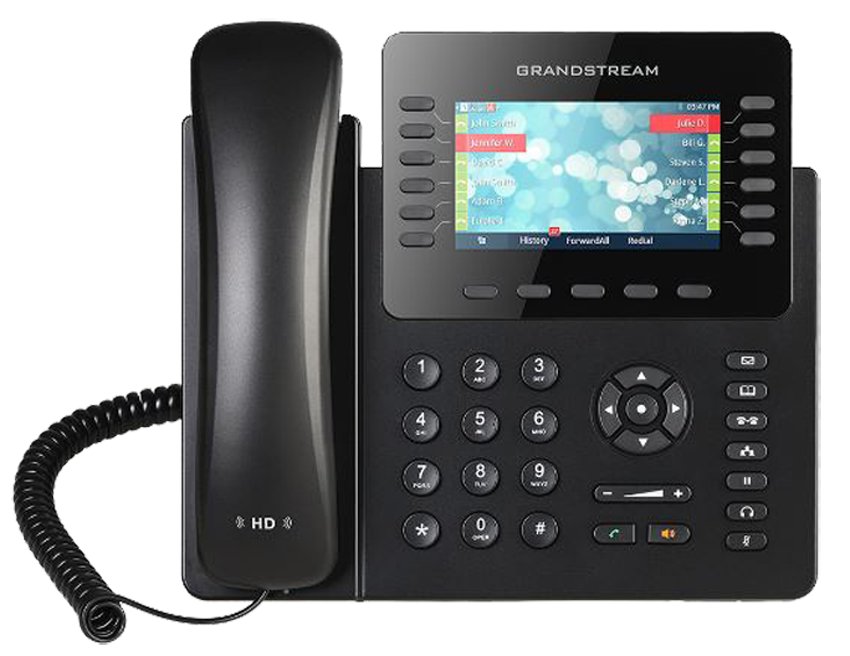
Device customization will evolve to offer more granular control over features, interfaces, and integrations. Future IP phones and management tools will support tailored user experiences aligned precisely with specific roles or workflows. This level of personalization will help employees work more effectively, reduce training time, and foster a more engaging work environment. As these devices become smarter and more adaptable, they will seamlessly connect with other digital tools, creating integrated ecosystems that boost productivity and collaboration.
Network optimization solutions will play a crucial role in maintaining high-quality calls amid increasing traffic and complexity. Advanced Quality of Service (QoS) techniques and adaptive network configurations will ensure clear, reliable communication even during peak periods. This reliability will be vital as real-time voice and video interactions become central to customer service, remote collaboration, and internal coordination. Combining AI-driven network management with resilient hardware will make these systems more robust and easier to oversee.
Looking ahead, the ongoing evolution of telephony customization promises to turn everyday communication systems into powerful strategic tools. Organizations that embrace these innovations will be better positioned to deliver faster, clearer, and more tailored interactions. They will also enjoy the flexibility to grow and adapt seamlessly, transforming routine calls into opportunities for efficiency, growth, and stronger connections. The future of telephony isn’t just about faster or smarter systems—it’s about creating meaningful, personalized experiences that support long-term success.